
Resources and Discussion on Country blues
I checked these as public PDF links on May 24, 2026. These are study links, so verify source terms before redistributing copies.
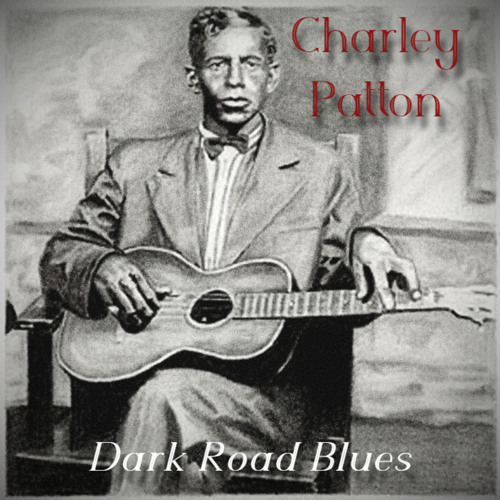
For a Delta-side contrast, use Charley Patton's "Pony Blues":
Patton is not just a set of fretted notes. The drive comes from attack, vocal force, percussive timing, and the way the guitar leans into the beat. Read the PDF with the recording nearby and pay attention to the accents that make the line feel physical.
For a Bentonia-side contrast, use Skip James's "Hard Time Killin' Floor Blues":
This sits in a different emotional and technical space from the ragtime and Hurt material. The value of the PDF is that it gives you a frame, but the performance depends on mood, tuning feel, and phrase placement.
Study suggestion: do not put these two PDFs in the same practice bucket. Use Patton to study force and pulse. Use Skip James to study tension, space, and the cold minor color. They are both pre-war country blues, but they ask the right hand to solve different problems.
This five-PDF source checklist collects Blind Lemon Jefferson transcriptions that were publicly reachable on May 24, 2026. Use them as study links and verify each site's terms before redistributing the files.
Blind Lemon Jefferson is a different problem from a steady ragtime-blues arrangement. The guitar often sounds like a second voice: a sung phrase, a short answer, then space.
I checked these as public PDF links on May 24, 2026. They are study links, not a claim that every PDF has the same reuse license, so verify source terms before sharing copies.
The first thing I would do with Blind Blake is compare two editions of the same tune before committing one to memory:
Traditional Music Library, "Police Dog Blues": traditionalmusic.co.uk/blues-guitar-chords/pd...
MusicNotesLib, "Police Dog Blues": musicnoteslib.com/file/69618/Blind_Blake-Poli...
That comparison is useful because Blake transcriptions often make different choices about bass spelling, chord grips, and where the treble syncopation lands. If one version looks cleaner but sounds stiff, slow it down and check whether the bass is walking naturally.
These additional Blake PDFs give more context:
Black Dog Blues: musicnoteslib.com/file/69610/Blind_Blake-Blac...
Georgia Bound: musicnoteslib.com/file/69615/Blind_Blake-Geor...
Hey Hey Daddy Blues: musicnoteslib.com/file/69616/Blind_Blake-Hey_...
For practice, keep the tempo low enough that the bass sounds relaxed and the treble notes can pop out without a hard accent on every beat. Blake should not feel like a metronome exercise. The goal is a light ragtime engine with the top line leaning in and out of the groove.
I checked these as public PDF links on May 24, 2026. Treat them as study links, and check each source's terms before redistributing copies or using them in paid handouts.
Start with Max Nachlinger's Mississippi John Hurt Guitar Tab Book:
That larger book is the best map for Hurt's right hand because it lets you compare several arrangements without changing notation style every few minutes. The main thing to watch is not speed. It is whether the thumb keeps a calm pulse while the treble notes answer the sung line.
For single-song work, these Traditional Music PDFs are more focused:
Candy Man: traditionalmusic.co.uk/blues-guitar-chords/pd...
Stack O' Lee Blues: traditionalmusic.co.uk/blues-guitar-chords/pd...
Nobody's Business: traditionalmusic.co.uk/blues-guitar-chords/pd...
Louis Collins: traditionalmusic.co.uk/blues-guitar-chords/pd...
Use "Candy Man" for a bright alternating-bass workout, "Stack O' Lee" for melody inside a narrative song, "Nobody's Business" for pinch-note timing, and "Louis Collins" for keeping a dark ballad steady without overplaying.
The two MusicNotesLib PDFs add useful comparison material:
Satisfied Blues: musicnoteslib.com/file/140343/Mississippi_Joh...
Hop Joint: musicnoteslib.com/file/149923/Mississippi_Joh...
Practice note: pick one tune, mark the bass string used on every beat, then circle two treble moves that answer the vocal. If the bass stays calm after that, the arrangement starts to sound like music instead of a typing exercise.